Bottom Seal – Single Door
$180 + GST
New bottom seal for a standard single-car residential door; the existing retainer must be reusable.
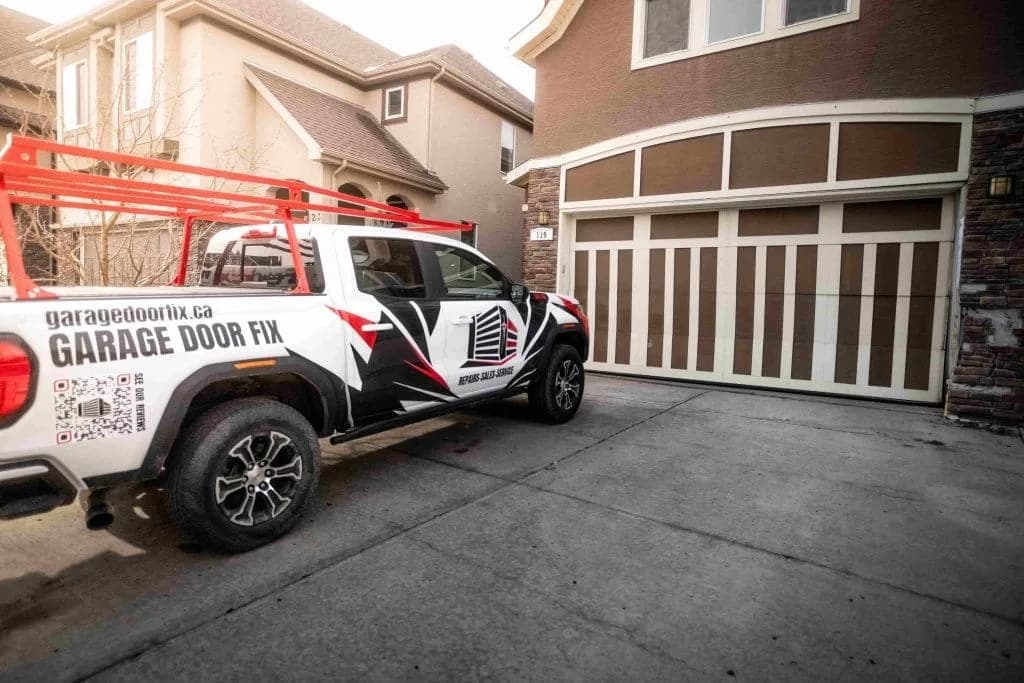
Seal-Only or Seal + Retainer · From $180 + GST
32,000+
completed jobs since 2019
Company-wide
3,610+
five-star Google reviews
Company-wide
Six
published bottom-seal price rows
Database-backed
Written
scope before work begins
No assumed retainer
The short answer
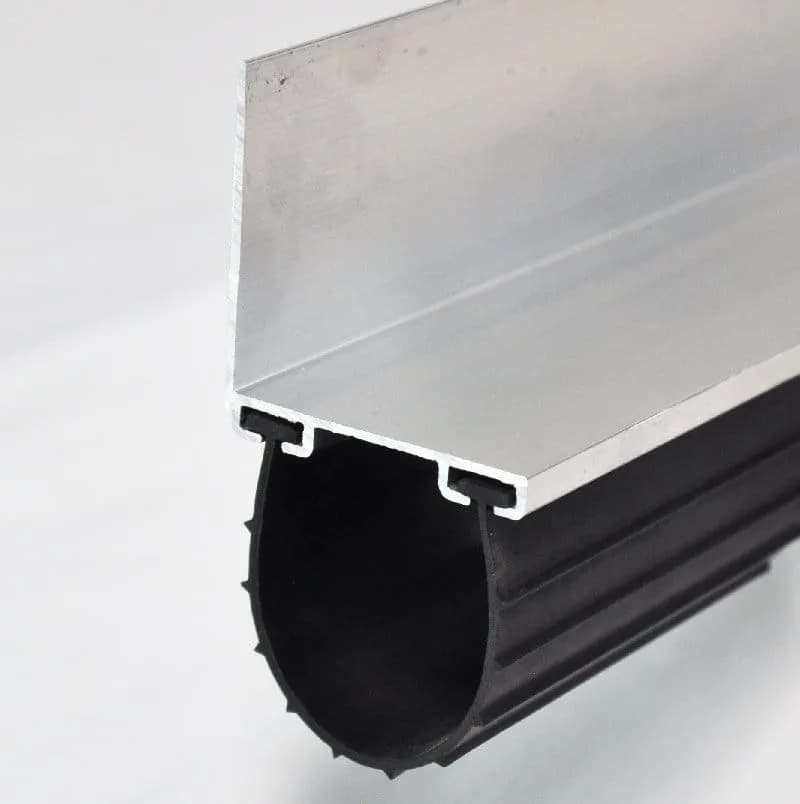
The flexible strip along the bottom of the door blocks normal daylight, drafts, loose snow, dust and pests. It slides or locks into a retainer attached to the lowest door section. Neither part is universal.
A clean seal replacement starts by identifying the channel profile and checking the gap across the full opening. If the door is crooked, the bottom section is bent or the slab drops at one corner, new rubber may help without creating an even line. That needs to be explained before the old seal comes out.
Repeated button presses do not loosen ice. They add load to the opener rail, trolley, drive and door attachment while the bottom edge remains stuck. Clear loose snow and release the ice safely before operating the door. Do not increase force settings to overpower a frozen threshold.
Seal-only pricing applies when the existing channel is straight, secure and compatible. Retainer rows cover both parts.
$180 + GST
New bottom seal for a standard single-car residential door; the existing retainer must be reusable.
$200 + GST
New bottom seal for a standard double-car residential door; the existing retainer must be reusable.
$220 + GST
New bottom seal for an 18-foot residential door; the existing retainer must be reusable.
$265 + GST
New bottom seal and matching retainer for a standard single-car residential door.
$285 + GST
New bottom seal and matching retainer for a standard double-car residential door.
$340 + GST
New bottom seal and matching retainer for an 18-foot residential door.
| Bottom-seal service | Current Red Deer price | What the row covers |
|---|---|---|
| Bottom Seal – Single Door | $180 + GST | New bottom seal for a standard single-car residential door; the existing retainer must be reusable. |
| Bottom Seal – Double Door | $200 + GST | New bottom seal for a standard double-car residential door; the existing retainer must be reusable. |
| Bottom Seal – 18-Foot Door | $220 + GST | New bottom seal for an 18-foot residential door; the existing retainer must be reusable. |
| Bottom Seal with Retainer – Single | $265 + GST | New bottom seal and matching retainer for a standard single-car residential door. |
| Bottom Seal with Retainer – Double | $285 + GST | New bottom seal and matching retainer for a standard double-car residential door. |
| Bottom Seal with Retainer – 18-Foot Door | $340 + GST | New bottom seal and matching retainer for an 18-foot residential door. |
A higher parts total should have visible evidence behind it.
Single-door comparison
The current seal-plus-retainer row is $265 + GST. It should only replace the seal-only row when the existing channel cannot be reused.
The gap pattern tells us where to look before selecting the seal.
A full-width gap with hard, split or flattened material often fits a straightforward seal replacement.
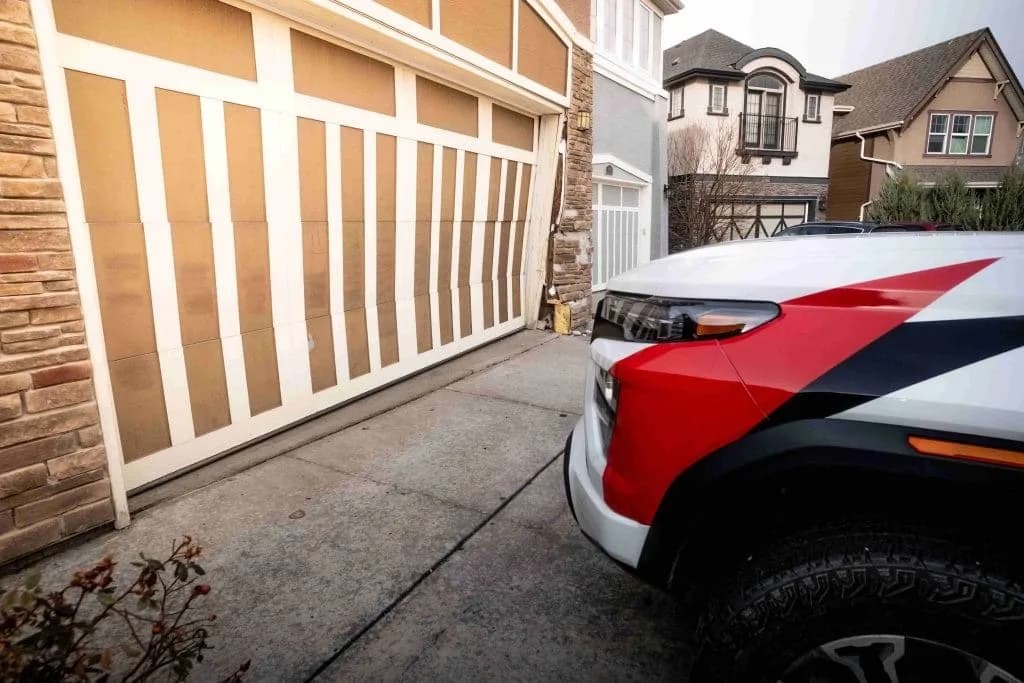
A gap concentrated at one corner can come from floor slope or settlement rather than missing rubber.
Different cable tension, track trouble or lower hardware damage can leave one side higher than the other.
A bowed or damaged lower panel prevents the retainer and seal from following a straight line.
During the appointment
The technician checks daylight, floor slope, door level, lower section condition and signs of water movement.
Channel shape, spacing, condition and door width determine which material and price row apply.
The reusable parts and replacement parts are shown before the old material is removed.
Failed material and trapped debris are removed without disturbing loaded bottom fixtures.
The seal is checked across the slab, then opener travel and reversal are verified after the closing position is correct.
This distinction matters when water keeps returning after the rubber has been changed.
If the driveway carries water toward the opening, the seal may slow it without stopping sustained pooling. Drainage needs separate attention.
Snow packed at the threshold can melt against a warmer garage, then bond the seal to the slab when temperatures drop.
Bottom seal, perimeter weatherstripping, jambs and floor meet at the corners. One worn or poorly aligned part can leave a small route for wind-driven snow.
You do not need to remove anything. Photograph the condition while the door remains safely closed.
Shoot from inside so daylight and the door's level across the slab are visible.
Include the widest gap, torn rubber, standing water or the place where the seal freezes.
An end-on close-up shows the channel and bead shape. Do not loosen bottom brackets to get the photo.
The seal channel sits close to brackets that anchor lifting cables. Those fixtures can remain under heavy spring tension with the door closed. Photos are useful; removing loaded hardware is not.
Price logic you can check
The published table separates three door widths and two scopes. The technician should be able to point to the width, show whether the channel is reusable, and match the quote to one row.
Why Garage Door Fix
Garage Door Fix was founded by Stan and Marta Klugman in 2019. The company uses employee technicians, so booking, inspection, repair records and follow-up stay with the same business.
For a bottom seal, the honest answer may be seal-only, seal plus retainer, a door-level repair first, or a warning that drainage is the larger problem. The recommendation should fit what is visible at the opening—not whichever row costs more.
Current Red Deer prices are listed by door width and by whether the existing retainer can be reused. Seal-only service starts at $180 + GST. The six live price rows on this page cover single, double and 18-foot doors with or without a new retainer.
The bottom seal travels with the door and presses against the concrete. Perimeter weatherstripping is fastened to the jambs and header, where it contacts the outside face of the closed door. Daylight underneath points to the bottom seal or floor geometry; light at the sides or top points to perimeter weatherstripping or door position.
Not automatically. The retainer can stay when it is straight, securely attached and compatible with an available seal profile. A crushed, split, badly corroded or incompatible channel should be replaced so the new rubber stays captured across the full door width.
No. T-ends, beads, channel spacing and retainer shapes vary. Door width is only one measurement. A clear end-on photo of the existing retainer helps identify the profile before the old material is removed.
It can reduce water pushed through a normal floor gap, but a sectional garage door is not a flood barrier. Water can still enter when the driveway slopes toward the opening, drainage is poor, the slab has settled, concrete is cracked or wind pushes runoff around the corners.
A one-corner gap often points to a sloped or settled slab, a door that is out of level, damaged lower hardware or a bent bottom section. A more flexible seal may improve contact, but the cause should be identified before adding thickness or changing the closing position.
Stop the opener and do not keep pressing the wall button. Clear loose snow and free the ice bond without pulling on the door or pouring boiling water onto cold glass, metal or concrete. If the door will not release safely, leave it closed and arrange service. Repeated freezing also calls for a drainage and threshold check.
Yes. An opener pulling against a door bonded to the slab can overload the trolley, rail, operator bracket or internal drive parts. The opener is not an ice breaker. Stop at the first sign that the door is stuck rather than increasing force settings.
Only when the profile, retainer and floor gap support it. Excess compression can stop the door short, affect travel and reversal settings, or hide a crooked door. A large or uneven gap needs a geometry check before a thicker seal is treated as the answer.
It can, but cold material is stiffer and harder to feed through a retainer. The installer must account for temperature, profile fit and final compression. A frozen threshold or ice-bound door should be dealt with before the closing position is judged.
Yes. The seal and retainer attach to the lowest section. Bent metal, rot, delamination, pulled fasteners or damaged bottom fixtures can prevent the new parts from sitting straight and may require a separate repair.
Take one photo of the entire closed door from inside, one close-up of the gap, and one end-on photo showing the retainer channels and seal profile. Include the full door width if you know it, but do not remove the bottom fixtures to expose the channel.
Call (587) 847-0040 with the service address. The office will confirm coverage, scheduling and any travel charge before you book.
Compare the bottom seal with side-and-top weatherstripping before choosing the repair.
Call with the door width and a photo of the retainer end. We will match the likely profile and confirm the price before work begins.