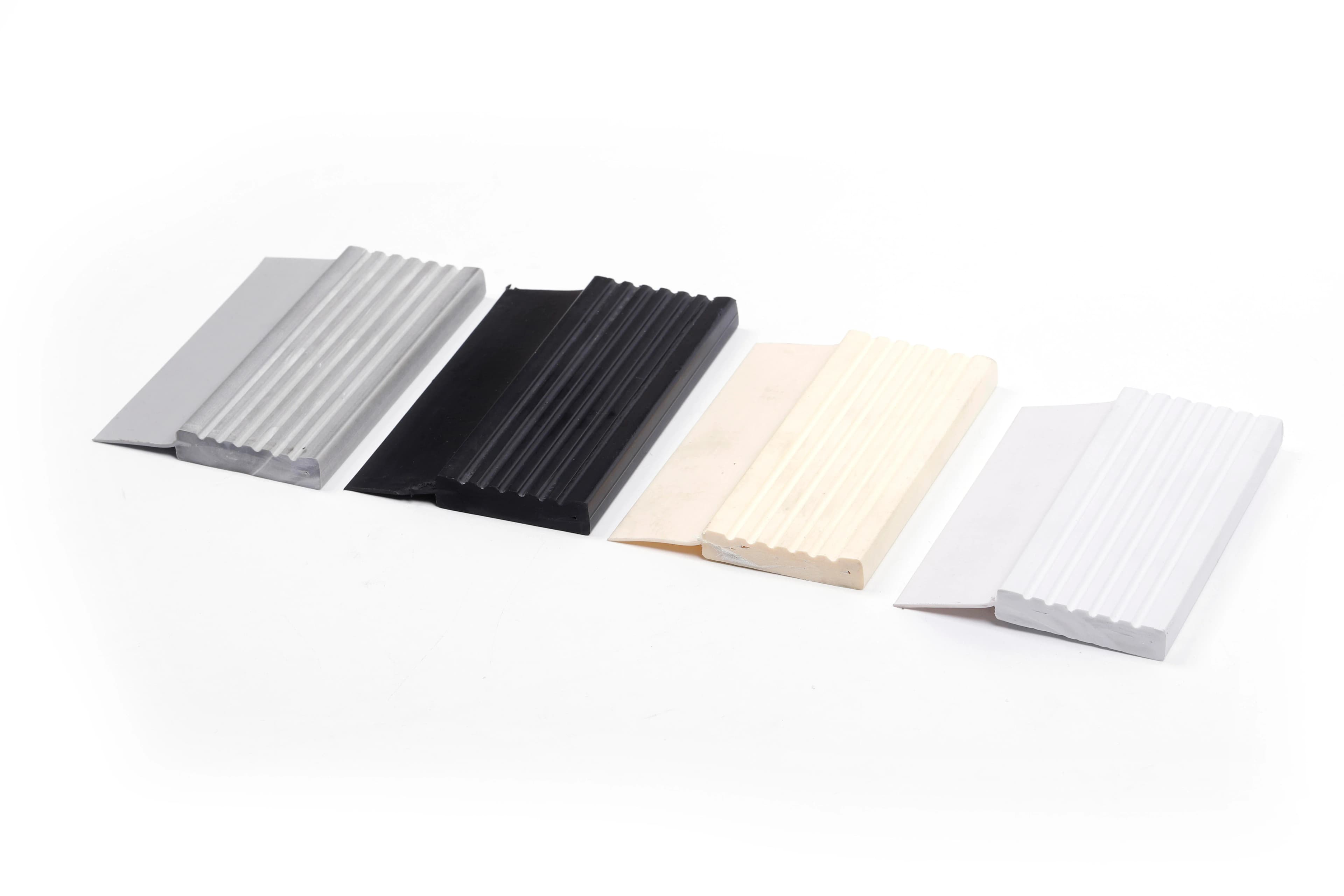
Garage door perimeter weatherstripping inspected for gaps and cold-weather wear

Cold-weather diagnosis · Red Deer guide

Cold-Weather Garage Door Problems in Central Alberta

In cold weather, a garage door may stay shut because the bottom seal is frozen to the slab, the door has become hard to move or the opener is reacting to excess resistance. Identify the resistance before increasing force or repeatedly cycling the opener.

Published September 5, 2026 · Reviewed for Red Deer service

The question that changes the decision

Is the opener failing, or is it correctly refusing to force a stuck door?

Short answer

In cold weather, a garage door may stay shut because the bottom seal is frozen to the slab, the door has become hard to move or the opener is reacting to excess resistance. Identify the resistance before increasing force or repeatedly cycling the opener.

01

Check the floor before blaming the motor

Meltwater can collect at the threshold and refreeze around the bottom seal. If the door starts upward and immediately stops, repeated opener attempts can damage the trolley, rail or drive components.

Look for ice along the seal from inside and outside without putting fingers under the door. Clear loose snow, warm the area safely and avoid open flames or aggressive tools that can cut the rubber.

02

Cold exposes existing resistance

Worn rollers, tight tracks, dry bearings and poor balance may remain tolerable in mild weather. Lower temperatures can make seals and lubricants stiffer, which adds load to an already marginal system.

Once the door is safely disconnected and controllable, a technician can check manual balance and movement. The opener should not be used to hide a heavy door by increasing force settings.

  • Frozen bottom seal
  • Compressed perimeter weatherstrip
  • Worn or stiff rollers
  • Poor spring balance
  • Condensation near photo-eyes
  • Opener force set too high
03

Prepare before the next cold stretch

Keep the threshold clean, correct drainage that leaves standing water and replace torn seals before winter. Use a garage-door lubricant on approved moving points rather than thick grease on tracks.

A pre-winter inspection should check balance, cables, rollers, hinges, seals and reversal. It cannot prevent every failure, but it catches resistance before the opener becomes the fuse.

Evidence boundary: technical guidance draws on Garage Door Fix's company experience. A photo, review or project is described as Red Deer work only when it was documented in Red Deer.

Red Deer Homeowner Questions

Water at the threshold can refreeze around the bottom seal. Do not repeatedly run the opener; clear the ice without cutting the seal and correct the water source.

No. Higher force can hide a heavy or binding door and weaken safety reversal. Find the source of resistance first.

Springs fail from accumulated fatigue, corrosion, sizing and use. A cold spell may be when a worn spring finally fails, but temperature alone does not explain every break.

The roller tracks should generally remain clean rather than greased. Use a product intended for garage door hinges, bearings and springs according to the door manufacturer's instructions.

More Red Deer garage door guides

Use the library to compare diagnosis, safety, cost and door choices.

View all articles

Garage Door Fix Red Deer

Call the Red Deer line for repair, pricing or a new-door consultation.