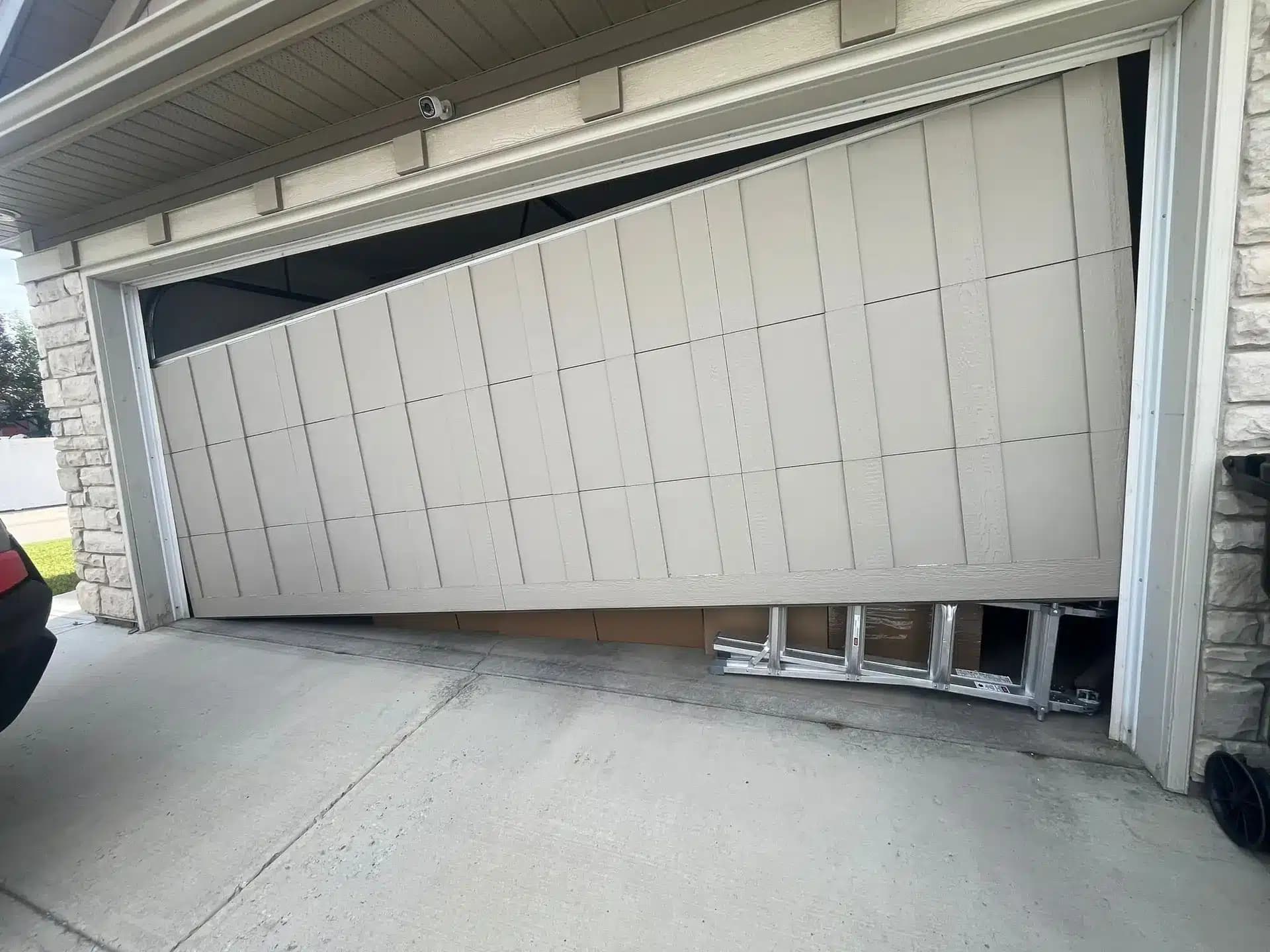
A homeowner in Altadore is not dealing with the same garage door reality as a homeowner in Mahogany or Rocky Ridge. That sounds obvious, but most garage door content still pretends every Calgary house has the same opening, the same spring life, and the same weather exposure.
We have been in enough garages across Calgary to know better. The interesting part is not that every neighbourhood is different. It is how predictable the differences become once you stop looking at the city as one blob and start looking at age, builder quality, door weight, and climate stress.
Chinook swings punish seals, lubrication, and spring balance.
Builder-grade packages age very differently from older custom installs.
Winter sun and wind exposure create weird sensor and alignment complaints.
What we tend to see, area by area
Inner-city Calgary, Altadore, Killarney, Mount Pleasant, Renfrew, Bridgeland
Most common issue
Aging detached garages, low headroom, and doors that were updated while the hardware was not.
What we see in the field
The panels may look newer than the rest of the system. We see older tracks, tired springs, worn pulleys on legacy setups, and garages with framing quirks that make a clean modern install harder than it sounds.
What that really means
A lot of these homes have already had one partial upgrade. The next call is usually about finishing the job properly, not just replacing the loudest part.
South new-build communities, Mahogany, Seton, Legacy, Belmont, Walden
Most common issue
Builder-grade hardware wearing out earlier than homeowners expected.
What we see in the field
This is the land of short-cycle springs, thin weatherseal, and doors that technically worked fine at possession but start sounding rough after a few winters. We also see a lot of opener strain because the original balance was only barely acceptable.
What that really means
The doors met code. That is not the same thing as being built for ten calm years of Calgary weather.
North and northeast family zones, Evanston, Skyview Ranch, Redstone, Saddle Ridge, Cornerstone
Most common issue
High daily cycle count on double doors and lots of impact damage.
What we see in the field
Busy family garages get hammered. More open-close cycles, bikes and hockey nets near the opening, and more wear on rollers, hinges, and opener travel settings. The issue is not one dramatic failure. It is cumulative fatigue.
What that really means
These neighbourhoods teach the same lesson over and over: usage matters almost as much as climate.
West-side hills, Aspen, West Springs, Signal Hill, Scenic Acres, Tuscany, Rocky Ridge
Most common issue
Sun, wind exposure, and heavier insulated doors that need accurate spring balance.
What we see in the field
Doors in these areas often have better curb appeal and heavier panels, which is great until the spring spec or opener setup is slightly off. We also get more sensor complaints where winter glare and reflection create intermittent closing issues.
What that really means
The nicer the door, the less forgiving it is of lazy setup. Heavy insulated sections need real tuning, not guesswork.
Lake and southeast communities, Auburn Bay, Cranston, McKenzie Towne, Lake Bonavista, Douglasdale
Most common issue
Seal wear, moisture intrusion, and noisy hardware after freeze-thaw swings.
What we see in the field
We see a lot of bottom seals that gave up early, stiff rollers, and doors that start talking back every time the weather flips. Chinook swings are hard on parts that were cheap to begin with.
What that really means
A lot of homeowners think the door suddenly got old. Usually it just spent three winters exposing shortcuts the original install tried to hide.
City-edge and acreage lifestyle, Bearspaw edge, Springbank edge, south fringe acreages
Most common issue
Bigger doors, wind load, dust, and heavier usage tied to trucks, toys, and detached shops.
What we see in the field
These properties punish underbuilt hardware fast. Larger openings and heavier doors need the right springs, the right operator, and a maintenance habit. Without that, the repair bills bunch up instead of spacing out cleanly.
What that really means
A garage that supports real daily work needs a different spec than a tidy suburban double. A lot of doors on the edge of town were never told that.
Why this content matters for authority
Generic city pages do not build much authority anymore. Local specificity does. When a page can explain why a new-build door in Seton tends to fail differently from an older detached garage in Renfrew, that signals real field knowledge.
It also exposes the weakness in one-size-fits-all advice. If a contractor talks about every neighbourhood the same way, they are probably diagnosing from a script.
The point is not to sound clever. The point is to sound like we have actually been there, because we have.
The practical homeowner takeaway
If your door is noisy, slow, drafty, or acting weird in Calgary, the neighbourhood can tell part of the story. It cannot tell the whole story. That still comes down to the actual hardware, install quality, and maintenance history in your garage.
But it is enough to know what questions to ask, and enough to spot when a contractor gives you a lazy generic answer that does not fit your house.
After 32,000+ jobs, one thing is obvious. Calgary homeowners do not need more generic garage door advice. They need local, specific, field-tested answers. That is the lane we are doubling down on.
Calgary Neighbourhood Garage Door FAQ
Yes. Home age, builder quality, door size, exposure, and daily usage patterns all shift the failure pattern. A new south community usually has different garage door issues than an older inner-city detached garage or an acreage shop door.
Early spring fatigue, noisy rollers, weak weatherseals, and balance issues on builder-grade packages. The door is usually not a total disaster. It is just under-specced for Calgary's freeze-thaw rhythm.
Because the openings, framing, and headroom are often inconsistent. Many of those garages have had partial updates over the years, which means the current problem is tied to a system that was upgraded in pieces instead of as one clean package.
Yes. Chinook swings, ice, dry cold, and winter sun all work on different parts of the system. Springs, seals, rollers, sensors, and opener settings all feel it. Calgary is not the hardest city in Canada on garage doors, but it is one of the most deceptive because the weather swings are so abrupt.
Spring replacement is still the big one, followed by cables, rollers, maintenance, and weatherseal work. Standard spring replacement is $380–$480, cable replacement is $320–$360, and a tune-up is $120–$180.
Yes, especially before winter. Calgary is hard on balance, lubrication, seals, and sensor performance. A yearly tune-up catches the small issues before they become a freezing-weather emergency.
Usually aging builder-grade doors with multiple stacked issues, tired panels, repeated hardware failures, and poor sealing. If you are repairing springs, rollers, and opener strain on a worn door all at once, replacement often makes more sense.
Not perfectly. A careful install can outperform the neighbourhood trend, and a lazy install can underperform it. But the neighbourhood does tell us what problems to expect first, which helps us diagnose faster and write more useful local content.